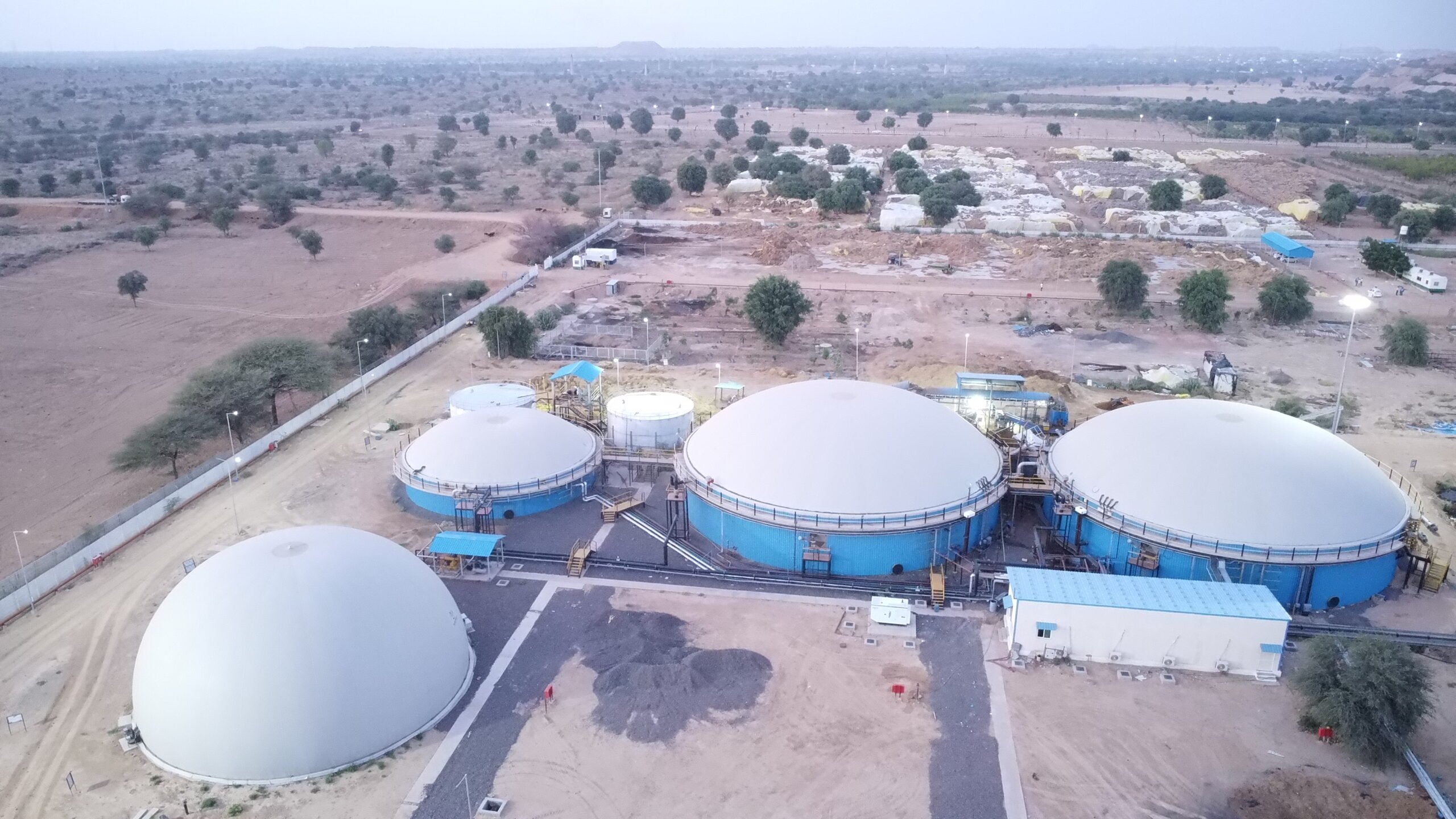
A job can change the way a person spends their day. Sometimes, it can also introduce them to work they have never done before. That is part of what we found while exploring the experiences of farmers and workers associated with Sai Bioenergy’s Bikaner CBG plant.
People at the plant have different stories. Some were already familiar with farming before joining the project. Others picked up new skills after they started working here. Conversations with them offer a glimpse into their work and everyday lives around the plant.
Farmers’ Voices: Life around the Plant
Pritam (21) is satisfied with the accommodation and electricity provided to workers. However, access to water remains a concern at the site.
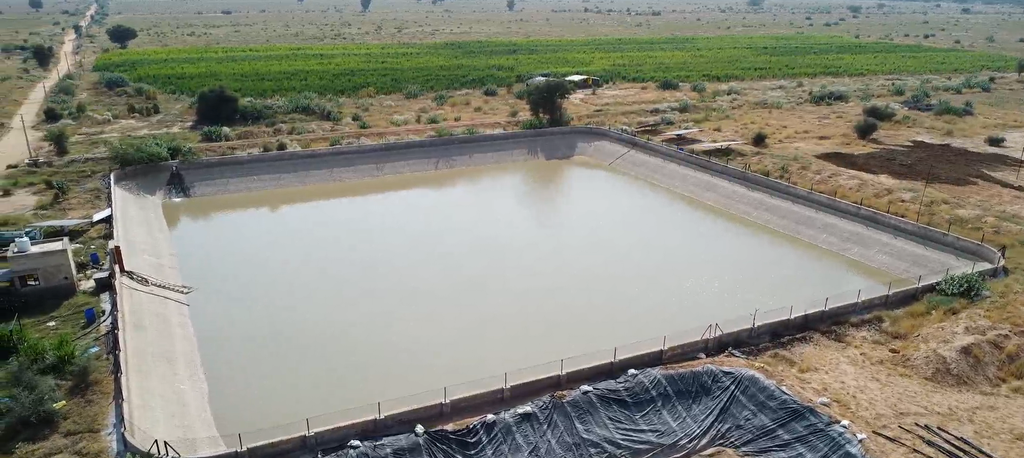
Govind (23) works in farming and irrigation. He is involved in growing and harvesting Napier grass, which can be harvested two to three times a year. He also appreciates the safety shoes, transportation, and other facilities provided to workers.
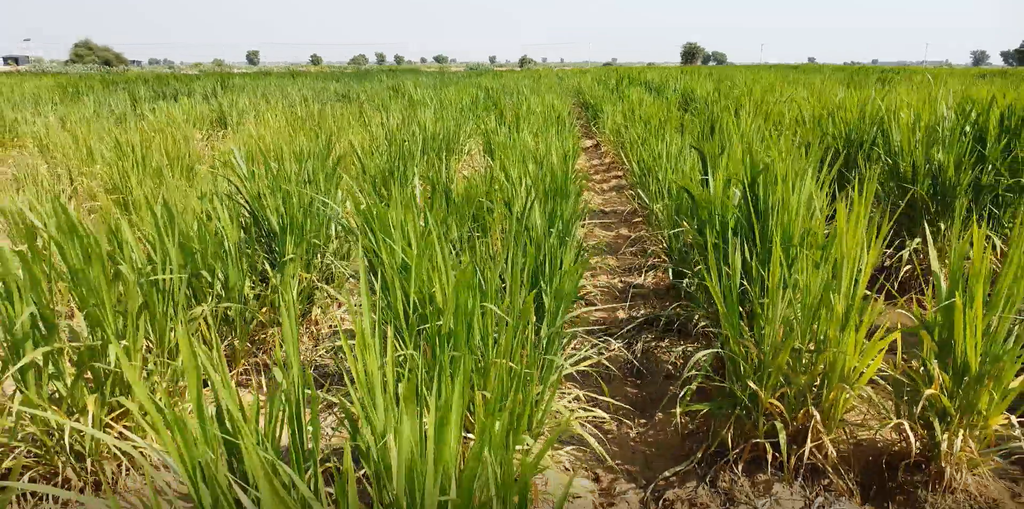
Tej Singh (55) joined the project in 2025. Although he is generally happy with the work, two challenges remain. Access to sufficient water for the fields is not always easy, and nilgai sometimes enter through gaps in the boundary fencing and damage the crops.
For younger workers, the project has also provided opportunities to learn new skills.
Sunita (19) has learned about Napier grass cultivation and receives safety shoes and gloves for her work. Laxman (19), who already had farming experience, is involved in fieldwork and harvesting activities.
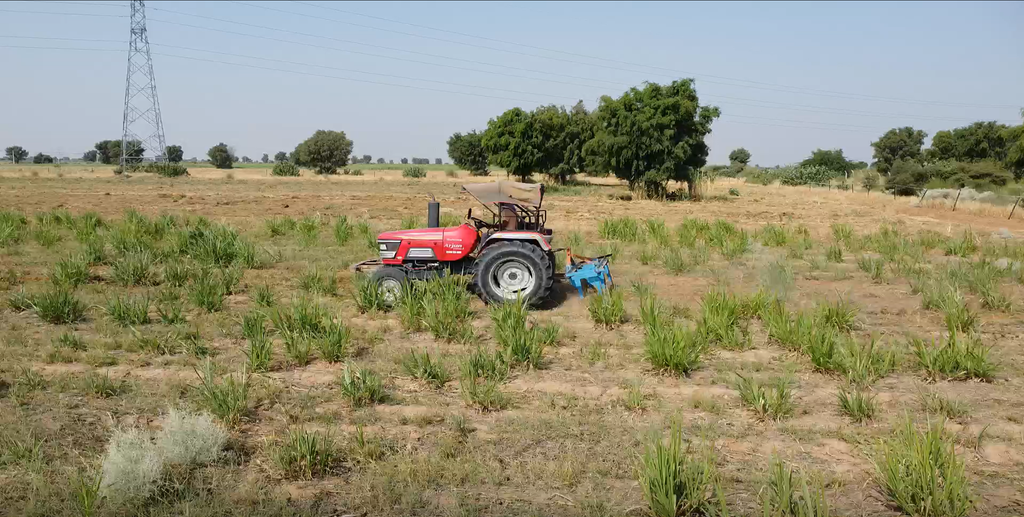
Ghanaram (55) worked as a farmer before taking on his current role. He now supervises the fieldwork and operates harvesting machinery. His experience demonstrates how agricultural knowledge can be applied to different roles.
These farmer testimonials reflect a range of experiences, from learning new skills to taking on greater responsibilities.
Employees: Learning on the Job
Sai Bioenergy’s Bikaner plant has a production capacity of 10 tonnes per day (TPD) and employs around 100 people. Approximately 70% of the workforce is drawn from nearby areas. When indirect employment through local machinery operators and service providers is included, the plant’s contribution to local employment is estimated at around 80%.
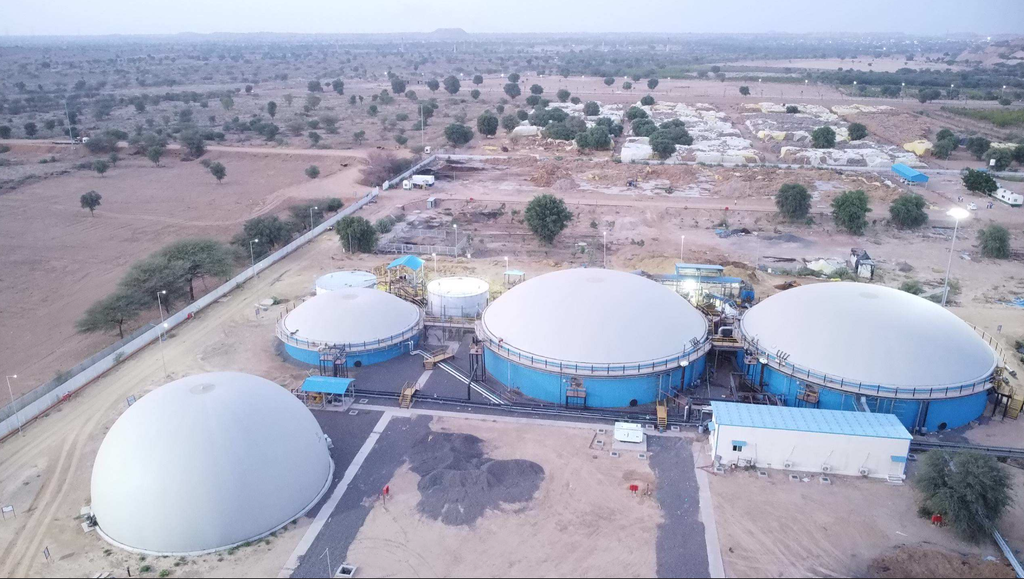
Employees bring experience knowledge from diverse professional backgrounds. Some employees who joined as helpers have progressed to equipment operator roles through training and hands-on experience. Employees also learn from one another while working across different areas of the plant.
Safety training is an integral part of daily operations. New employees attend an induction programme and are provided with personal protective equipment (PPE) before starting work. Regular toolbox talks and other training sessions help employees understand workplace safety practices.
The company also arranges seminars, conferences, and team-building activities. These employee stories form another perspective on the community experience around the plant.
A Connection with the Local Community
As part of its community engagement initiatives, Sai Bioenergy donates fodder from its agricultural fields and CBG plant to a nearby Gaushala that houses around 250 indigenous cows.
The plant also produces fermented organic manure (FOM), which can be used in agricultural fields as a source of organic nutrients.
Looking Beyond the Plant
These CBG plant testimonials offer a closer look at the experiences of people living and working around the project. They form part of a CBG plant case study that highlights the connection between Renewable Energy initiatives with rural development. Experiences like these also important when planning sustainable energy projects and understanding the growth of India’s renewable energy sector.
To read more about Renewable Biofuels and Long-duration Energy Storage solutions, head over to Insights.